Standing proud at heights of up to 150m, UK onshore and offshore wind turbines operate in some of the most extreme conditions and weathers. As a result, they’re able to harness huge amounts of energy, with the country’s wind farms powering quite literally millions of homes.
Although designed to be hardy and resilient, wind turbines and wind farms reach the end of their operational life expectancy after 25-30 years. At this point they are retired from power generation and removed from the landscape in a process called decommissioning. Let’s take a closer look at what that process might look like, so that you know what to expect when the time comes.
What is a decommissioning plan?
Decommissioning is an important and complex part of planning for the full life span of a wind turbine or farm. It’s important to factor decommissioning in from the very beginning, so that you can ensure you’re not hit by a potentially bankrupting bill with zero resources set aside.
When a turbine or farm has reached the end of its life expectancy or an operator withdraws from a site, it’s necessary to deploy the plan, which is also known as a decommissioning and restoration plan (DRP).
Usually, a wind turbine decommissioning plan is created at the very start of a project’s life (either during pre-commissioning or post planning consent) and it sets out the detail of how the asset will be taken out of service.
The document includes an inventory of all of the items within the turbine itself (tower, blades etc) and the onsite infrastructure (overhead cabling, substations etc), as well as the options for removal (considering environmental impacts) and the chosen removal method. In some cases underground infrastructure is left in situ to mitigate environmental disruption.
A decommissioning plan will set out how the turbine(s) will be removed with a method statement and risk assessment, including the cranes and heavy lifting expertise required. It also sets out where the turbine components will be sent after removal (be that for materials recovery, recycling or upgrades), all associated costs and how the site will be restored to its original state.
The plan must also demonstrate that all safety requirements have been considered fully and show the critical path for project completion, considering safety challenges and restrictions pertaining to the weather, geography and topography.
Like most plans intended for deployment in the future, wind farm operators will revisit the plan numerous times during a wind turbine or farm’s life to ensure it remains fit for purpose. As new decommissioning technologies and recycling processes emerge, it’s possible that the cost of this process will steadily drop, along with the environmental impact.
What’s involved?
Decommissioning a wind turbine is not a simple disassembly task and requires a number of key considerations. As such a full decommissioning project can take six to 24 months from outset to completion, subject to the size and location of the turbine(s) to be removed.
Part of this is because in most cases wind turbine operators are also expected to return the land to its pre-project conditions as part of land lease agreements and local ordinances. This means work is required to reseed or replant local vegetation, restore ground drainage, turn over the ground to stimulate new growth and recreate public pathways and access.
The act of disassembling the wind turbines(s) requires the right blend of precision, professionalism and access to the very best heavy-duty and specialist lifting equipment.
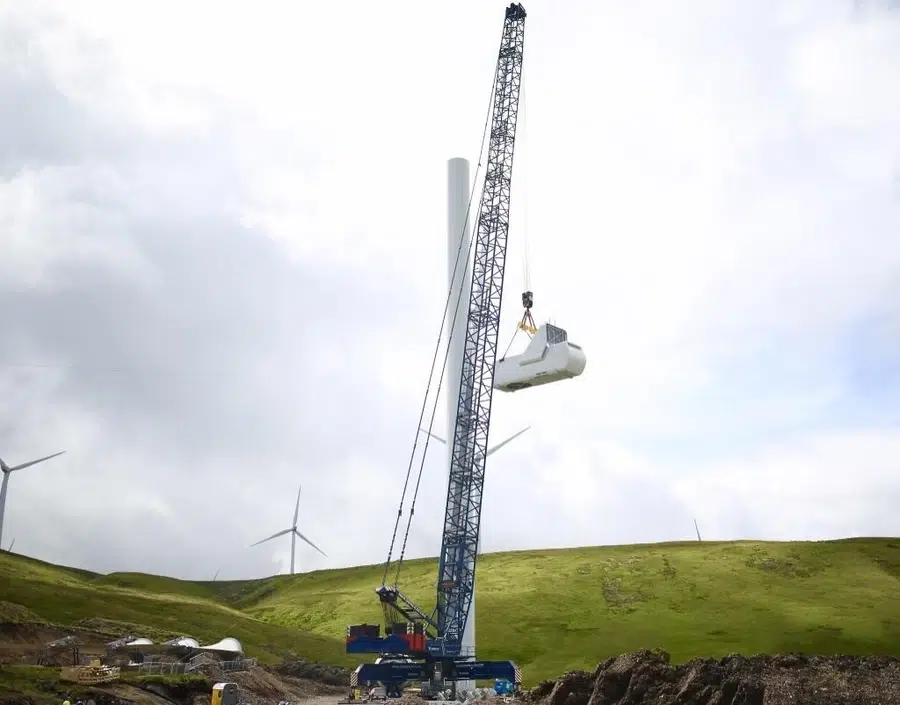
Before components can be removed, certified technicians must first isolate the wind turbine and disconnect the electrics. Only then can the blades and turbine be lifted from the tower safely, ready for removal.
Once everything has been broken up into different pieces, they will still need to be removed from the wind farm site. Some of these will be much easier to transport than others, and this applies to recycling as well. For example, metals will be very easy to recycle, while the materials used to make the massive blades can be a lot trickier.
If you choose to build another wind farm on the same site, then obviously you won’t need to go through the reseeding and access provision stages. However, this will require a whole new planning stage in and of itself, and should be dealt with somewhat separately.
Choosing the right partner
Such is the complex nature of wind turbine decommissioning and the expertise required to execute a decommissioning plan well, that it’s imperative to choose the right heavy lifting partner.
At AIS Wind Energy we have delivered wind turbine and wind farm decommissioning projects across Europe in Norway, Germany , Scandinavia, Finland and the UK. We operate within the Wind Turbine Safety Rules (WTSRs), which ensures our fully-certified and experienced wind energy operatives adopt a safe system of work (SSoW) for every project.
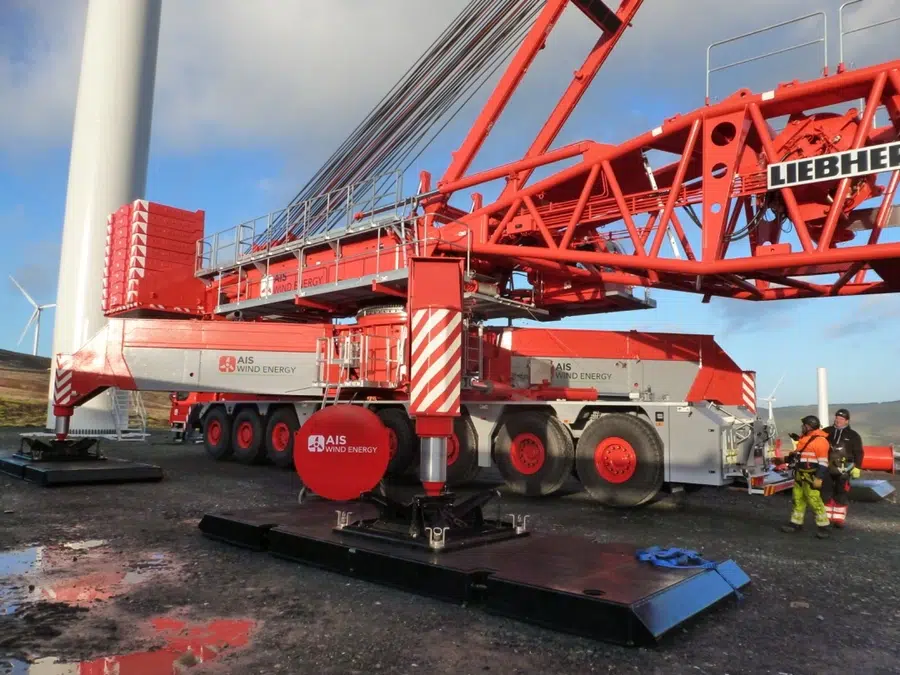
We provide all lifting services inhouse and draw on our own fleet of lifting equipment, which includes a new Liebherr LG 1750 lattice boom mobile crane, and our specialist team of heavy lifters and mechanical and electrical technicians.
In the fight against climate change, renewable energy is only going to grow in importance. While 129 GW of new wind farms come online over the next four years, existing projects will also need to be retired. Wind turbine commissioning and decommissioning expertise go hand in hand and are vital to the ongoing success of wind power and renewable energy.
For more information on AIS Wind Energy’s flexible, trusted and fully managed wind turbine and wind farm decommissioning service, contact us.