For wind farm operators, reliability, safety and availability are everything. Yet too often, planned wind turbine maintenance is delayed in favour of short-term availability, until an inspection fails, equipment is withdrawn from service, or downtime becomes unavoidable.
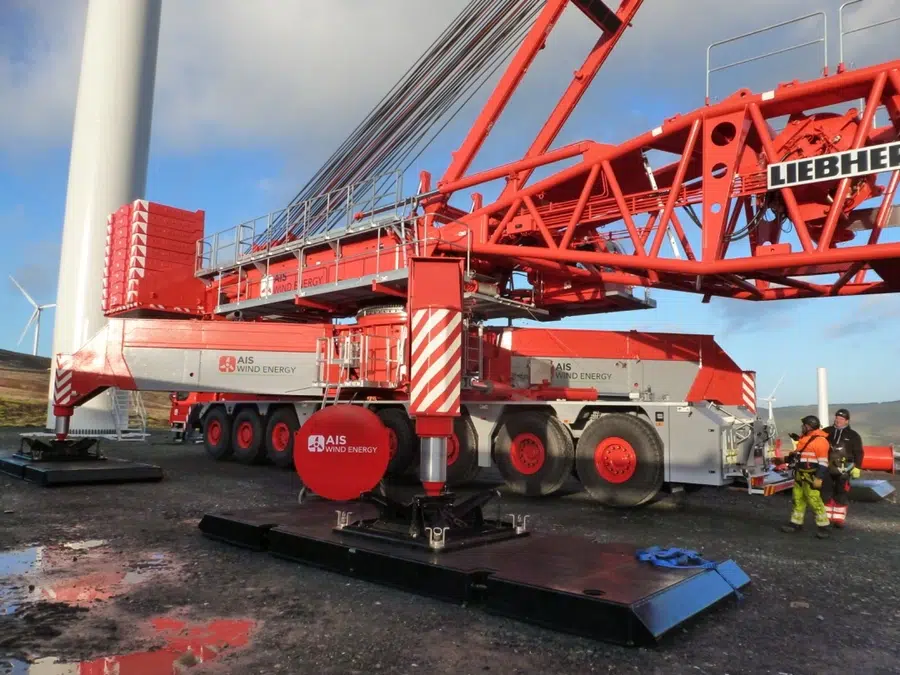
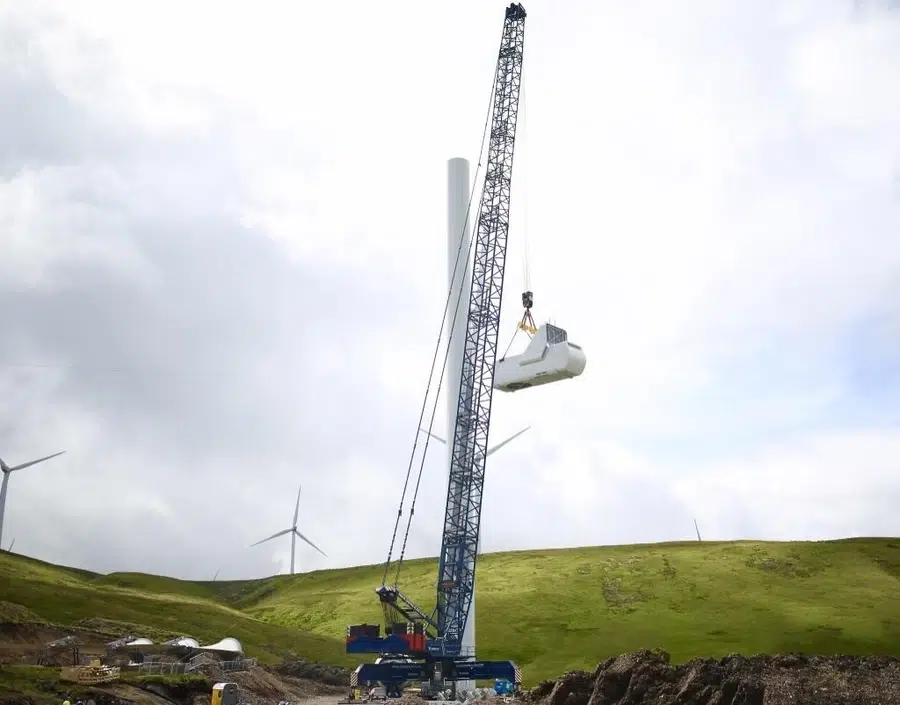
At AIS Wind Energy, we support operators through planned inspections, scheduled maintenance and major component works, helping protect both people and performance of wind turbine assets.
Preventative maintenance helps to:
- Maintain compliance
- Protect revenue
- Keep turbines safely operational
The cost of prevention is predictable and reasonable. However, the cost of reaction rarely is.
The Cost of Avoiding Planned Wind Turbine Maintenance
Potential Enforcement Action from the HSE
Failure to meet statutory inspection and safety requirements can lead directly to HSE enforcement action. Improvement Notices or Prohibition Notices may be issued where equipment presents a risk to workers, often resulting in machinery being immediately removed from service.
In 2024, the HSE issued a safety notice following a serious injury involving a wind turbine service lift. The investigation identified inadequate guarding and poorly positioned controls. The HSE explicitly instructed duty holders to withdraw affected service lifts from use until corrective measures were implemented.
Beyond operational impacts, enforcement visits can result in direct financial penalties. Under the HSE’s Fee for Intervention (FFI) regime, operators found in material breach are charged £188 per hour for the time inspectors spend identifying and helping rectify issues. And, as of April 2026, HSE have increased cost recovery rates for the wind and marine renewables sector to £253 per hour.
What begins as missed wind turbine maintenance can quickly escalate into unplanned inspection costs, enforced remedial works and regulatory scrutiny.
Operational Disruption and Increased Financial Exposure
When critical equipment fails an inspection, the operational consequences are immediate. Turbines may be taken offline, access restricted and scheduled works delayed.
Downtime directly impacts revenue generation. Even short outages can result in lost output, delayed maintenance campaigns, and wider knock-on effects across a wind farm.
Preventative maintenance reduces the likelihood of sudden failures, allowing operators to plan interventions around weather windows and worker schedules rather than reacting under pressure.
Reputational and Contractual Impact
Beyond visible costs, non-compliance can damage an operator’s reputation. Failed inspections or enforcement actions may raise concerns with OEMs, insurers, investors and regulators.
Operators risk breaching warranty conditions, O&M agreements, or safety certification standards. In severe cases, enforcement history can even influence insurance premiums or future investment decisions. These indirect costs are harder to quantify, but often far more damaging over the long term.
A robust maintenance regime demonstrates professionalism and commitment to safety, which are important in a sector under increasing scrutiny.
Planned Wind Turbine Maintenance Is Always Better
Delaying maintenance rarely saves money. It simply defers cost, usually at a higher rate and under far less favourable conditions.
Proactive inspection and scheduled maintenance:
- Identifies issues before they become safety risks
- Reduces the likelihood of enforced downtime
- Supports compliance with HSE expectations
- Protects turbine availability and long-term asset value
AIS Wind Energy works with operators to deliver planned maintenance, statutory inspections and major component support, helping ensure your assets remain safe, compliant and productive.
Speak to our team to book your preventative maintenance with AIS Wind Energy today.