Modern onshore wind turbines have evolved into tall, precise machines, designed to withstand decades of weather, vibration and grid demands. Industry adverts often quote a “20 to 25 year design life,” while articles about early gearbox failures or tower corrosion suggest a shorter span.
In practice, a well‑maintained turbine sited on shore in the UK can remain commercially viable for a quarter‑century, and in many cases longer – provided owners follow a rigorous regime of inspection, refurbishment and, when economics dictate, repowering.
The discussion below explains what “design life” really means, which components age first, how data and condition‑based maintenance extend working years, and where wind turbine maintenance providers add value as machines approach the middle of their lifespan.
Design life versus service life
Design life is an engineering promise: blades, gearbox, tower and foundations will meet safety factors for a set number of load cycles, usually equivalent to twenty years of operation at the turbine’s IEC wind‑class rating.
Service life, by contrast, is the period during which revenues cover operating costs, plus a margin. Basically, how long it remains cost-effective and safe to continue changing parts as and when they wear out. A turbine may remain structurally sound after twenty‑five years yet be retired because its 2 MW nameplate no longer justifies grid connection fees or the landowner prefers a new 6 MW unit.
Components that drive the clock
Although towers rust and cables degrade, three assemblies dictate practical life expectancy:
- Gearbox and drivetrain: bearing pitting, scuffing and gear tooth micro‑cracks typically surface after 8-12 years. Replacing main bearings or an entire gearbox can add another decade of service.
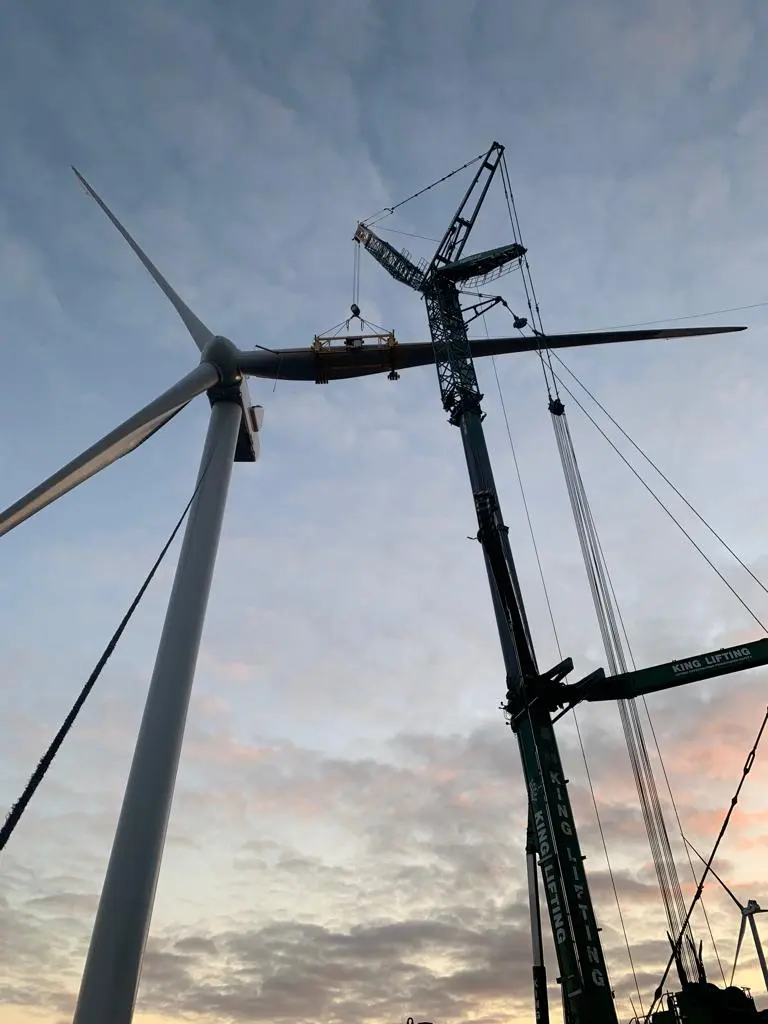
- Blades: Leading‑edge erosion accelerates in coastal or high‑rain sites. Without refurbishment, surface defects propagate into structural laminate fatigue.
- Control electronics: Semiconductor ageing and obsolescence seldom cause catastrophic failure, but do reduce efficiency and can increase downtime. Upgrades or retrofits renew the operational envelope.
Field data show that when these three assemblies receive scheduled refurbishment – gearbox exchange around year twelve, blade re‑coating every five to seven seasons, controller upgrades at mid‑life, total service life for wind turbines often reaches 25-30 years.
Environmental and site factors
Turbines in low‑turbulence regions of central England endure fewer extreme load events than units on exposed Scottish ridges, where gust factors and salt spray can accelerate fatigue. Foundation life also depends on ground chemistry and drainage. The original civil works design usually assumes 25 years; however, concrete carbonation and reinforcement corrosion can be slowed, with surface treatments and cathodic systems.
The role of condition monitoring
Early turbines relied on annual boroscope inspections. Today, vibration sensors, SCADA anomaly detection and oil‑particle counters reveal developing faults months earlier. The top maintenance partners integrate these signals into a remaining‑useful‑life (RUL) model, ranking components by failure risk and scheduling replacements only when health indicators confirm need. Data‑guided interventions delay major overhaul, reduce downtime and add years of economically viable generation, especially when combined with regular visual inspections.
Ownership phase: Year-twenty decisions
As power‑purchase agreements expire, owners face three strategic paths:
- Life‑extension: retain the present machine with targeted replacements and updated safety file; often feasible where grid connection is secure and subsidy has been amortised.
- Repowering: remove the old turbine and install a larger, more efficient unit on the same foundation or a new pedestal. Planning consent processes favour sites with proven wind records.
- Decommissioning and site restoration: chosen when planning constraints rule out repowering and extension economics are no longer via.
AIS Wind Energy conducts life‑extension studies encompassing load history, metallurgical sampling of tower welds and non‑destructive blade root inspection. Findings guide investors on whether they should veer toward life‑extension more than repowering.
Cost insight: maintenance vs replacement
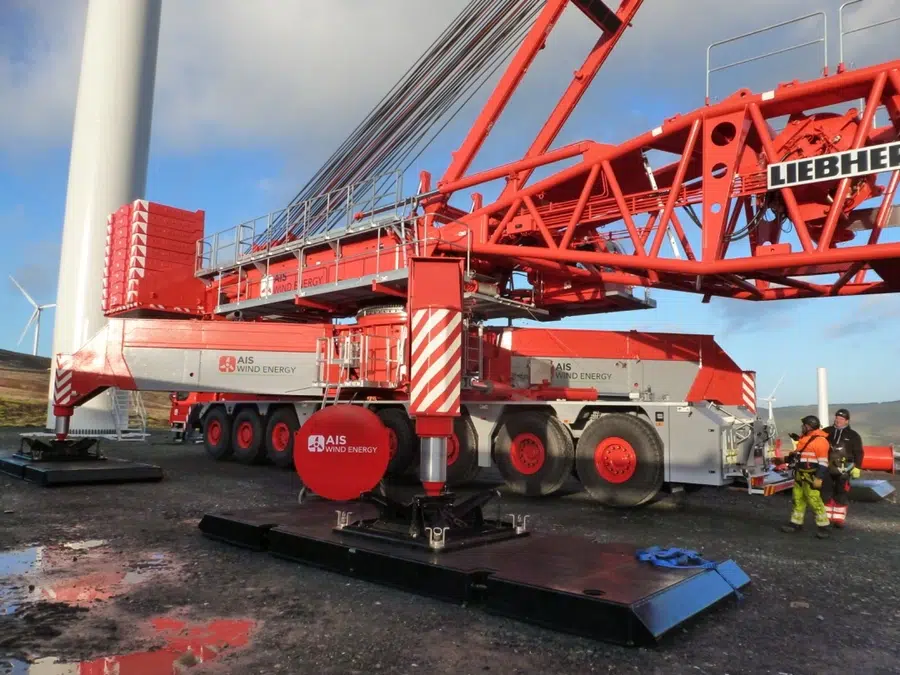
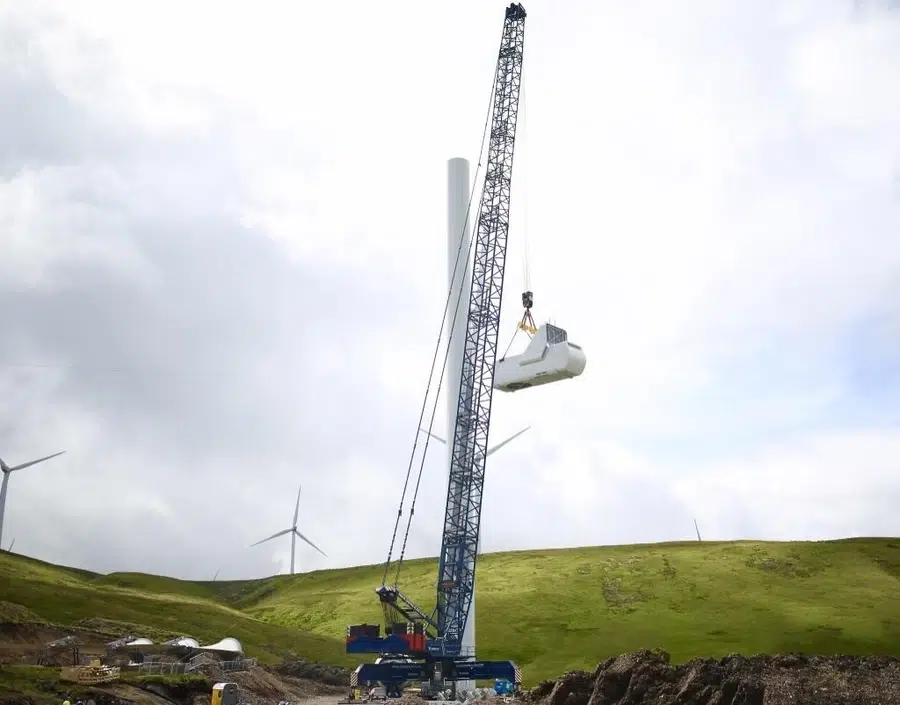
A 2 MW onshore turbine earns roughly £180,000 – £220,000 in annual energy sales, if exported to the grid at current UK wholesale rates. Mid‑life gearbox exchange costs £120,000–£160,000, including crane hire, which is less than a single year’s revenue.
Blade leading‑edge restoration averages £30,000 and restores a percentage of annual energy production lost to roughness. These numbers explain why many owners opt to refurbish and run beyond the original certificate rather than repower immediately, with 2MW wind turbines costing between roughly £2.4m and £4m.
Regulatory checkpoints
Extending service life beyond twenty‑five years triggers review of the turbine’s “Health and Safety File” under CDM regulations. Insurers often demand fresh tower ultrasonic testing and updated brake‑system certificates before renewing cover. You will need to find a service that supplies a turnkey compliance package: inspection, structural report, and liaison with the Distribution Network Operator for continued grid code adherence.
Real‑world lifespan data
Studies compiled from UK onshore fleets show median retirement age of around 23 years, but the those figures are improving. Sites that invested in early blade and drivetrain upgrades now expect 28-30 years.
Units removed in year fifteen tended to suffer from high turbulence or insufficient maintenance budgets rather than inherent design flaws. The evidence suggests that, with current monitoring technology and parts availability, thirty years is achievable for many installations, although perhaps not while maintaining profitability.
Salvage and recycling at end of life
Turbine steel towers recycle easily, commanding scrap value that helps to offset dismantling costs. Gearboxes and copper translate into additional salvage revenue. Composite blades are more challenging; they can be cut and co‑processed in cement kilns, reclaiming energy and filler material.
We partner with cement producers to include blade‑recycling logistics in decommissioning quotations, ensuring future liabilities are costed today.
Design life states what the machine must survive; service life depends on economics and care. UK onshore turbines, when maintained through data‑led interventions, commonly operate 25 years and often approach 30. Key strategies – gearbox replacement around year twelve, recurrent blade leading‑edge repair, and mid‑life control upgrades – cost less than one year’s generation revenue and yield multiple extra years of cash flow.
As subsidies fade, professional life‑extension assessments help owners decide between keeping a reliable machine spinning or repowering with next‑generation hardware. With the right evidence, that decision becomes a straightforward investment calculation, not a leap into the unknown.https://aiswind.mywebsitepreview.co.uk/the-guide-to-onshore-wind-turbine-technology/