Keeping wind turbines turning is a commercial priority for operators and it’s why regular wind turbine maintenance, especially of the blades, is so very important.
There are a variety of reasons why wind turbine blades can become damaged. The most common is due to environmental damage caused by lightning strikes and the effects of extreme weather such as ice, as well as the result of fatigue, erosion (from air mixed with sand and water), overloading (too much wind) and underlying maintenance issues or component defects.
Continually turning at speeds of 100mph and often in harsh conditions and remote locations, it’s not surprising that wind turbine blades need routine repair and maintenance throughout their operation. Consequently, the best form of maintenance is scheduled preventative maintenance – that is ensuring the regular inspection and upkeep of wind turbines and fixing things before they fail unexpectedly.
To ensure the optimal performance of a wind turbine blade – there are some important things to know:
How frequently are wind turbine blade repairs required?
Typically repairs to wind turbine blades are needed every two to five years and should be carried out as part of a planned maintenance programme. Wind turbine blades need to be in optimum condition as they are crucial to the efficacy of a wind turbine; it is the aerodynamic force from the blades which causes the rotor to spin, in turn creating electricity.
Even a relatively small decrease in the turbine’s ability to operate at peak efficiency can result in significant costs as the months and years go by; there is a clear incentive to keep the entire system operating at as close to 100% efficiency as possible, and it’s worth a little preventative repair in order to achieve this.
What are the most common signs of damage to wind turbine blades?
The most common signs of damage to wind turbine blades are cracks in the fibreglass which allow moisture into the blade, impair its structure and delaminate the fibreglass layers. While it’s possible in some cases to see these cracks with the naked eye, in others, it may be necessary to use other, more sensitive pieces of equipment in order to detect hairline cracks.
Other signs of damage include leading edge erosion – something which could cause the turbine’s energy output to decline if left unaddressed. Leading edge erosion refers to the surface of the blade’s leading edge becoming damaged due to rain, ice and in some cases bird strikes or stray golf balls. These factors can all impede the aerodynamic qualities of a wind turbine blade and, in turn, its output.
Many of the wind turbine blades in operation across the UK and Europe have been turning for close to 20 years, so it’s to be expected that they will show signs of age and need more regular maintenance. However, even the newest turbines need regular maintenance in order to prolong their life and productivity, and a little planning early on can have a big impact further down the line.
How are wind turbine blade repairs carried out?
When delivering scheduled preventative maintenance tasks such as wind turbine blade repairs, AIS Wind Energy carries out the work in situ to minimise downtime and disruption.
Our team always complies with strict Wind Turbine Safety Rules (WTSRs) to ensure the safe delivery of work. As we have built valuable relationships with turbine OEMs over several decades, we also consult with them regularly to ensure all maintenance activities are OEM approved.
Our AIS Wind Energy technicians get into position on the wind turbine with the help of a crane or via abseil. They do this in order to carry out two major stages of work – inspection and repair.
Inspection
During this stage our highly trained wind turbine technicians inspect the wind turbine blade for damage, removing any debris so the blade can be inspected more closely. This allows the structure to be checked for any damage that could compromise the integrity of the blade overall. At this stage key measurements and photos may be taken to help inform the schedule of works, the risk assessment and the method statement.
This can require the combined use of both drones and rope access technicians, so as to be able to inspect the blades without removing them. This saves immense amounts of time, and reduces operational downtime as a result.
Repair
If repairs are required to the subsurface of the wind turbine blade, these are completed before the fibreglass outer layers are replaced. Subsurface repairs can involve filling in structural cracks, using resin injections to repair cosmetic and surface level defects and replacing damaged sections with bonded patches. More structural damage may require plug/patch and scarf repairs to the fibreglass.
Only when the integrity of the blade is secure, will replacement pieces of fibreglass be cut to size and attached. Painting and specialist protective coatings can then be applied.
More serious wind turbine blade repairs, perhaps only identified at the point of system failure, may have more onerous repercussions and require wind turbines to be taken out of operation while blades are removed for repair or replacement.
At AIS Wind Energy we concentrate on preventative maintenance programmes only – helping clients to bring reliability and optimal performance into their operations through a planned approach.
We devise preventative maintenance programmes which comprise inspecting, lubricating, cleaning, and repairing all key wind turbine components. This includes wind turbine blades as well as tower sections, couplings between gear boxes and generators, gearboxes, generator blade bearings and main ring bearings.
What happens when wind turbine blades need to be replaced?
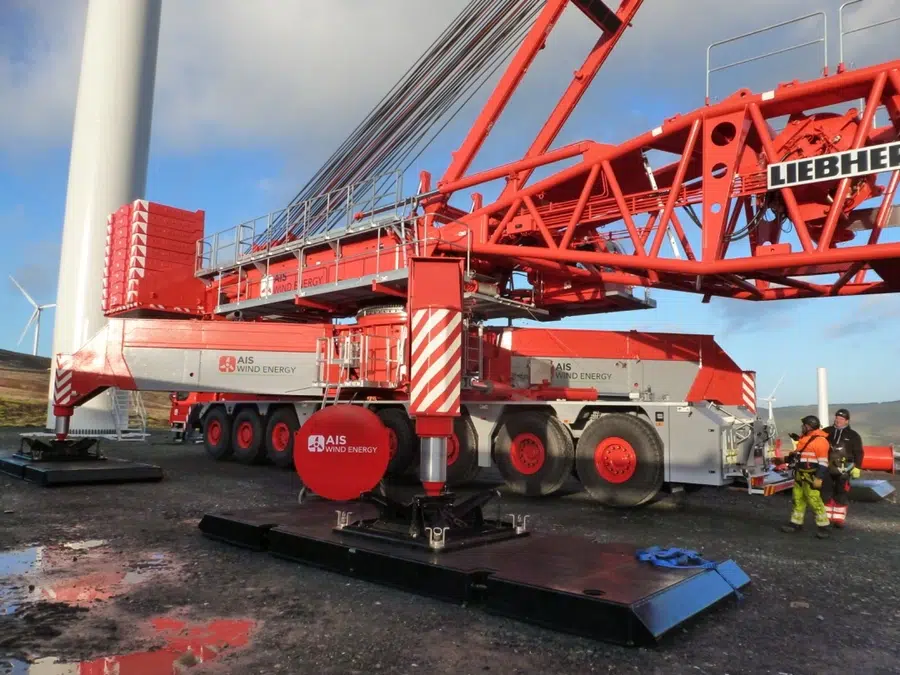
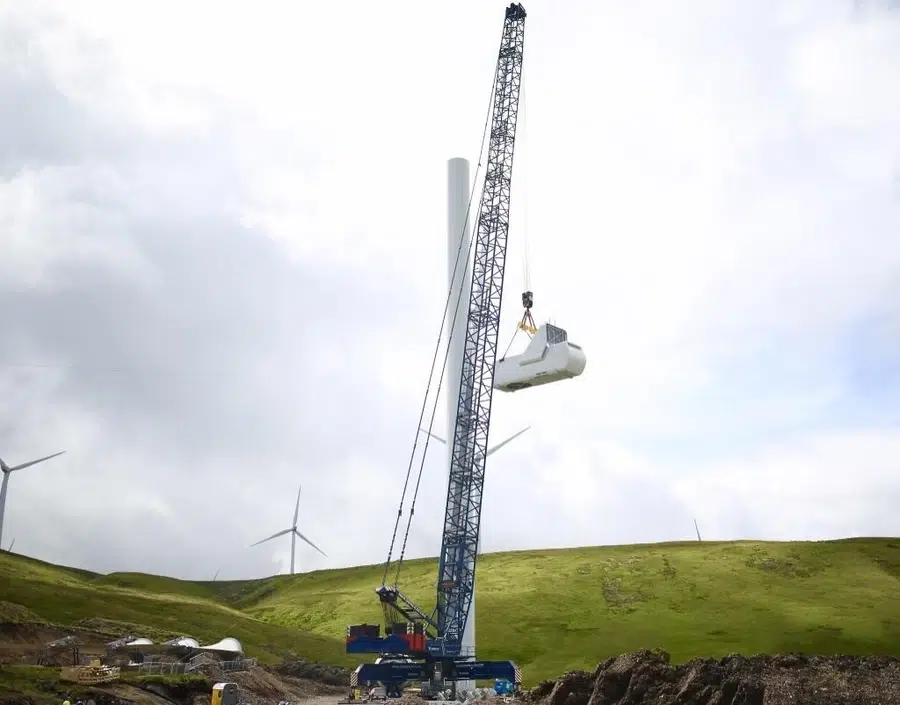
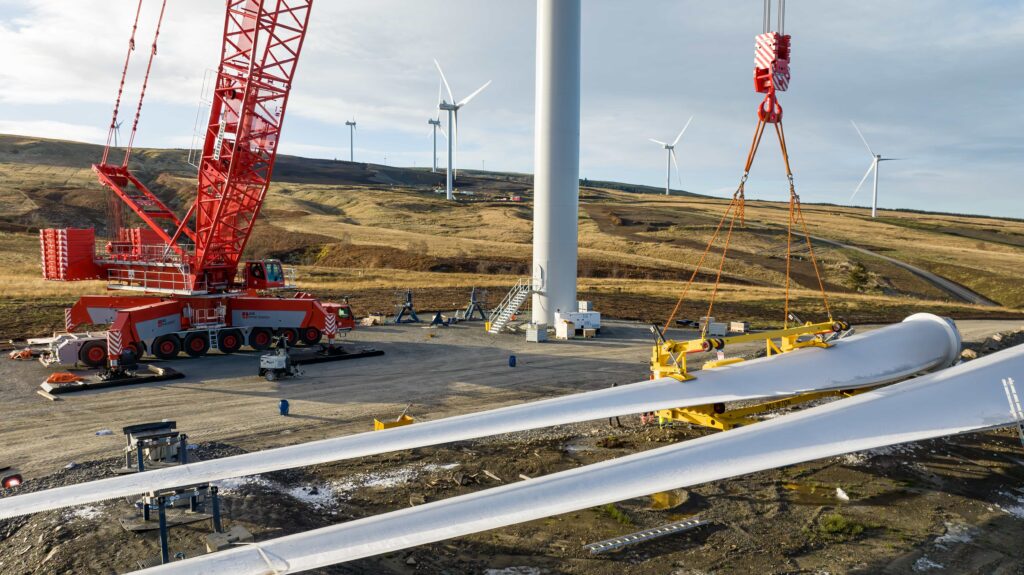
The life expectancy of a wind turbine and its blades is approximately 20-25 years. When wind turbines near the end of their life, they typically need retrofitting and/or replacement blades. At this stage it is necessary to carry out component replacement. This requires an expert approach and involves isolating the wind turbine, safely disconnecting the electrics so the redundant wind turbine blades can be removed, lifting the new blades into position and connecting them ready for testing and operation.
We will help you assess whether replacement or decommissioning might be more cost-effective, based on your future needs and expectations.
The right expertise and support
As specialists in all aspects of wind turbine maintenance, commissioning, decommissioning and installation, we understand the commercial importance of keeping wind turbines in the best condition, and always turning. We can work with you to develop a maintenance and repair schedule that caters to your wind farm’s precise requirements, allowing your turbines to operate at maximum efficiency for as much of their lifetime as reasonably possible.
To find out more about our wind turbine blade expertise, or how we can support your farm with scheduled preventative maintenance – call 0151 318 4725