As the UK strives for its electricity to have net zero emissions by 2035, there’s a growing need to act fast and scale up renewable power generation.
Wind power provides an effective way to achieve rapid improvements in carbon reduction and help the UK address the global climate emergency. Sustainable, cost effective, low in carbon and widely recognised as a source of clean energy – wind power accounts for more than 25% of the UK’s electricity needs currently.
While offshore wind power is often credited with being the most reliable as winds are stronger and more consistent out at sea, it’s actually onshore wind power that makes the biggest contribution in terms of Gigawatts (GW). Following The Climate Change Committee’s recommendation that the UK should more than double its onshore wind capacity from 14.2GW to 29GW by the end of the decade – this part of the wind sector looks set for rapid growth.
Here are four reasons why onshore wind power generation is so important to the UK’s net zero efforts.
1.Quicker to scale up.
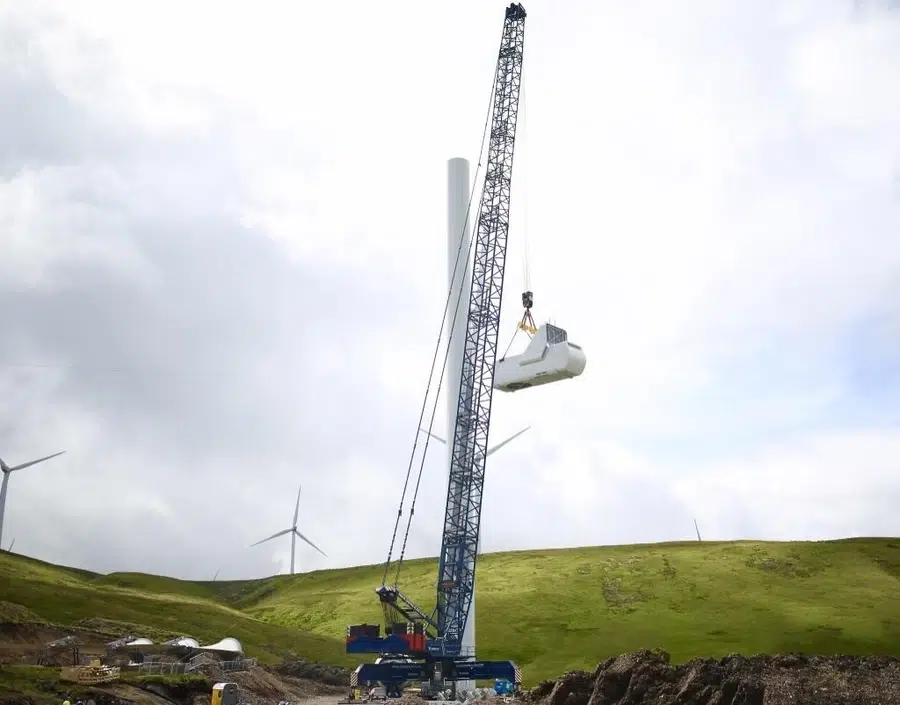
As the infrastructure required for onshore wind is less onerous and complex to deliver than for offshore wind farms, this form of wind energy production is quick to scale up and meet growing demand. Onshore wind farms can be built in just a few months, compared with several years for offshore. This ability to increase wind power generation quickly will be crucial as the UK reduces its reliance on imported fossil fuels.
2.Less renewable energy is lost.
Offshore wind farms have to transmit the electricity they generate over long distances. Not only is this expensive but it also incurs high transmission losses – which means a portion of the power generated is wasted. To help the UK lower carbon emissions, we need every single GW of renewable energy in the National Grid.
3.Lower carbon emissions.
The construction and operation of an onshore wind farm typically creates less carbon emissions than other power sources. The maintenance and servicing of onshore wind turbines typically incurs fewer supply chain carbon emissions than their offshore counterparts too. As more organisations focus on Scope 3 emissions and the carbon output of all their activities, including those of their partners and contractors, this will become an even more important advantage for onshore wind.
4.In sight, in-mind.
When the communities we live in can see renewable energy at work, it provides a useful reminder to make greener choices and be more environmentally responsible in all aspects of their lives. Engaging with communities and fostering support for renewable energy is a crucial part of driving change. Government surveys show that 80% of people support onshore wind farm generation and 36% have a more positive view of onshore wind now than they did five years ago.
With projects such as the Wyrde Croft Wind Farm near Peterborough giving local homeowners a £200 energy discount each year – it’s easy to see why public support, as well as government backing, is increasing.
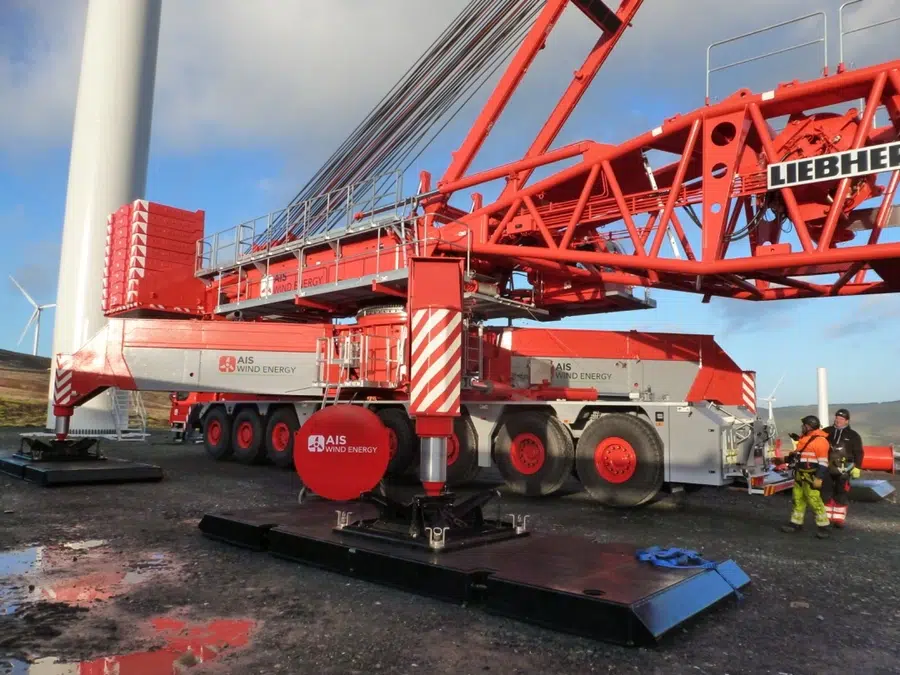
As specialists in all aspects of onshore wind turbine maintenance, decommissioning and installation, we know just how important onshore wind energy is to reduce our reliance on high-carbon emitting fossil fuels quickly and achieving energy independence with a cleaner and greener energy mix. In the midst of a climate emergency onshore wind has a very clear and crucial role to play in moving the UK closer to its 2035 net zero goal.
For more information on how AIS Wind Energy is supporting the sector as it develops, contact us.