With unplanned downtime incurring onerous financial losses for operators, the predictive maintenance of wind turbines is a must, especially as they often operate in the most remote locations and harshest of weather conditions. Luckily, in most cases it’s relatively easy to avoid unplanned downtime, through the effective use of preventative maintenance strategies.
One of the most common reasons a wind turbine fails is due to problems with the generator, which converts the rotation of the turbine blades into electricity. But how do operators know whether a generator can be repaired, or a full replacement is necessary?
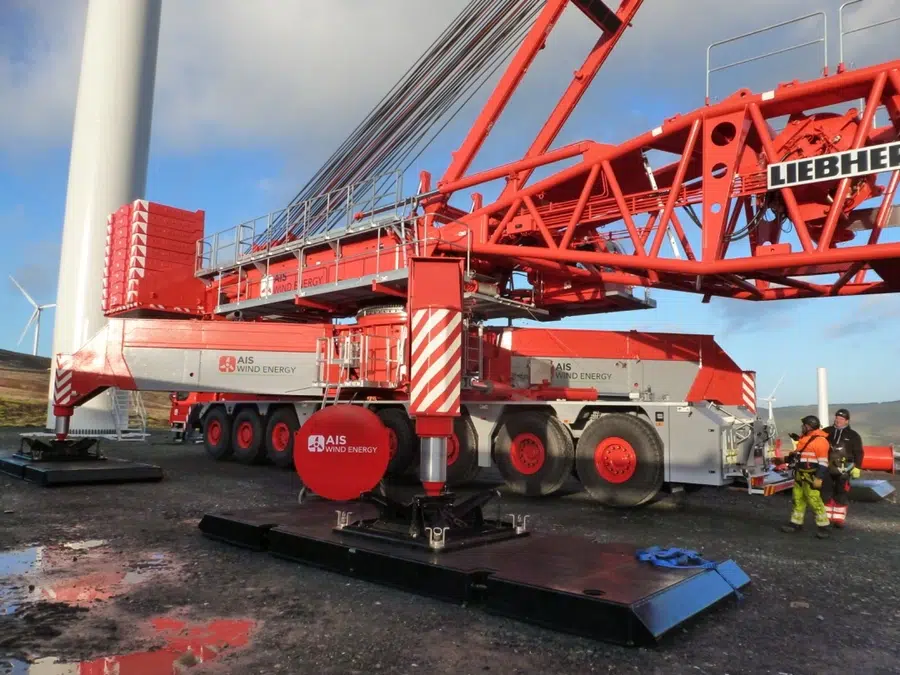
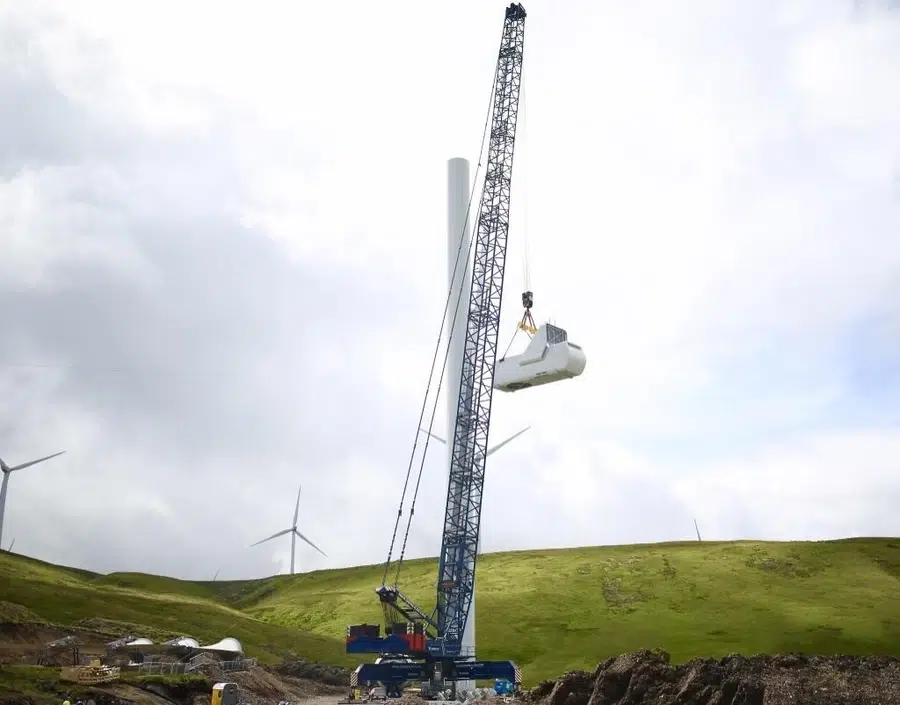
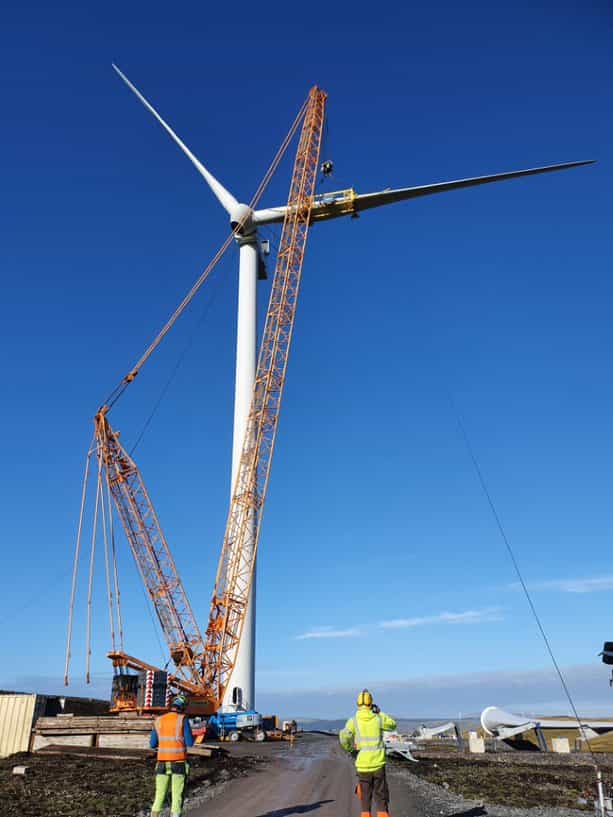
At AIS Wind Energy our team has vast experience planning and implementing scheduled wind turbine maintenance programmes, as well as replacing wind turbine components to improve operational efficiency, address wear and tear and prolong the lifespan of assets.
Calling on this industry expertise we have outlined the four major factors that will help to determine whether a wind turbine generator requires repair or replacement:
1.Extent of damage
Damage can be caused by a wide variety of factors from weather ingress to bird strikes as well as age. Minor issues such as damaged wiring can often be repaired with relative ease, but more serious problems could render a wind turbine generator unsuitable for repair. The extent of the damage will determine possible next steps.
It doesn’t take long for someone from our team to assess the extent of generator damage, calculate the cost to repair it, and then make a quick comparison of that cost with the cost of replacement.
2.Age and condition
Wind turbine technology is advancing all the time. To determine whether a repair is possible it’s useful to consider the age of the turbine generator and whether the promise of greater operational efficiencies with a new turbine, might make more financial sense in the long run.
It’s also helpful to consider how well maintained the turbine has been historically. If a full predictive maintenance programme has been in place, it means turbines and their components have been more thoroughly maintained and potentially, more suitable for further repair.
3.Cost of works
Wind turbine operators need to give thought to whether the cost of new parts, labour and future maintenance make a generator too expensive to repair. With newer parts offering wider performance efficiencies, it may be more cost effective to replace.
Of course, this also depends on how much longer the turbine itself is predicted to remain operational; if there is significant damage early on in its life cycle, it could be worth replacing the generator to avoid up to two decades of complications. If, however, it only needs to remain operational for another year or two, a quick repair that will last at least that long could be preferable.
4. Environmental impact
With a greater focus on environmental responsibility comes a need to weigh up the implications of repair versus replace. It’s useful to ask yourself whether a newer generator might deliver greater operational efficiencies and a lower carbon footprint, or if it’s more environmentally responsible to extract more value and life by repairing the existing part.
These calculations entail a slightly more complex analysis compared to a straightforward cost analysis, and you may need to refer to long-term energy output analysis, along with the environmental impact associated with disposing of the old generator.
A holistic view
Wind turbines must run optimally, which means with the most efficiency and the least risk of unscheduled downtime.Therefore it’s the cumulative insights afforded by these four considerations that will help wind farm owners and operators, and their supply chain partners, to answer the question – should I repair or replace the wind turbine generator?
Working out the answer to these questions is rarely straightforward, but it’s important that you get it right. Continuing to spend a reasonable sum every year or two to keep an old generator just barely functional can end up costing a lot more than replacement might in the long run.
At AIS Wind Energy we use our lifting, logistics and maintenance expertise to give clients operational peace of mind. Combined with our specialist fleet of lifting equipment, commitment to safety-first practices and the support of our sister companies – AIS Vanguard and AIS Eurelo – we are keeping onshore wind turbines turning across Europe.
To see how AIS Wind Energy could help your wind energy operation, please feel free to get in contact.