Over the past few decades, wind energy has emerged as an important green energy solution in the UK. Starting with the development of an onshore wind farm in the early 1990s, similar developments have since shot up across the country.
Since those early years, a huge number of offshore developments have also started to arise, leading to a number of debates over onshore wind vs offshore wind.
To actually understand these debates, it’s important to understand the main differences between onshore and offshore wind farms. Whether you’re considering investing in a wind energy solution, or you’re just interested in learning more about the topic, these are a few important things to keep in mind.
Onshore wind energy defined
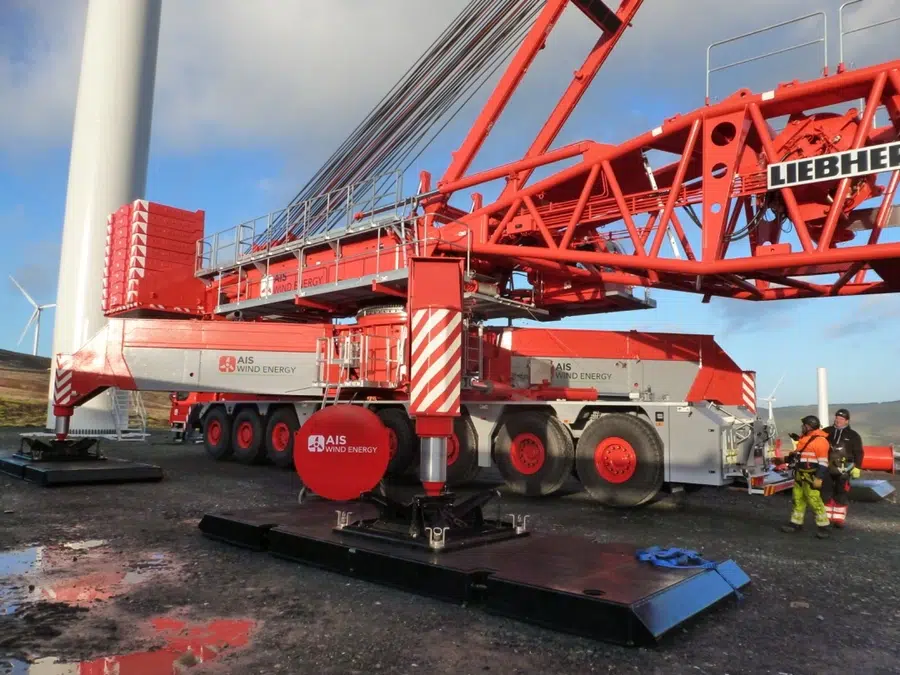
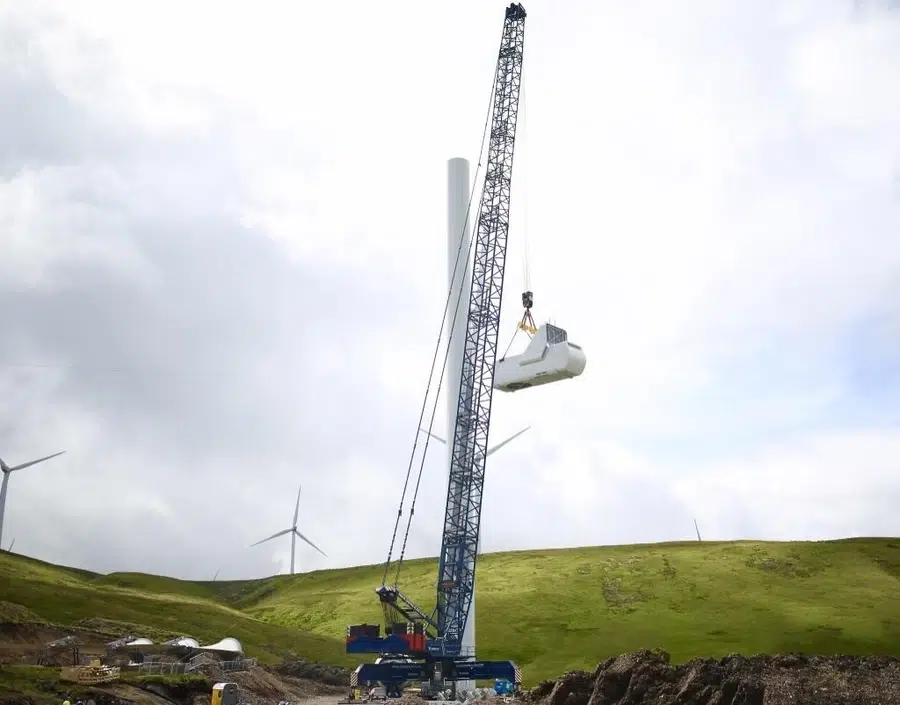
Onshore wind energy refers to energy produced by wind turbines located on dry land. You’ll likely have seen these kinds of wind turbines in rural areas, especially hilly locations that see higher wind speeds.
While the first onshore wind turbine was invented in the 19th century, the first commercial onshore development didn’t emerge until the early 1990s, with the Delabole Wind Farm.
Since then, over a thousand onshore wind farms have been built across the UK, primarily powering homes.
Offshore wind energy defined
Offshore wind energy, on the other hand, refers to energy produced by wind turbines located out at sea. These can sometimes be seen from the coast, but they can also be located a very long way from land – the furthest being the Hywind Tampen wind farm located 140 km off the coast of Norway.
Offshore wind farms are a lot more difficult to build, but they also tend to be a lot more effective at producing energy year-round. This is due to the fact that offshore installation is far more complex and expensive, but also allows for larger turbines that benefit from much more reliable winds.
Main differences
There are quite a few differences between onshore vs offshore wind energy solutions.
Materials
Onshore wind turbines and their foundations are relatively standardised. This is because onshore conditions are mostly the same, and installation procedures will be largely similar whether on one hillside or another.
With offshore developments, on the other hand, there’s a lot more variation. While some of these developments will use steel piles to embed them in the sea floor, in other cases, they will be located on floating platforms which are then anchored to the sea floor below.
Offshore turbines often need to be built from a higher grade of steel as well, which is more resistant to saltwater and corrosion. Not only are offshore conditions harsher, but it’s also much more difficult to maintain these developments.
Size
Another important difference is their size. The average size of an onshore turbine is just under 100m in height, with blades of around 50 m in length. These will result in an energy output of around 3 MW.
Offshore wind turbines are much larger. They can be over 250m in height, with blades of up to 150m long. This results in an output of around 10 MW, substantially more than their onshore equivalents.
Pros and cons
We will continue to compare their differences below, but with more of a focus on their relative drawbacks and benefits.
Ease and cost of installation
Onshore wind turbine developments are much easier and cheaper to build and maintain than offshore developments.
An onshore development can be planned and constructed in as little as a year, depending on planning permission and other complications.
On the other hand, offshore wind farms can take up to a decade to get going, sometimes even longer.
This is partially due to the size of the relative projects and the costs involved. Offshore farms can run up into the billions of pounds, while a single 3.5 MW onshore turbine could cost just over £3 million all in.
Local jobs
Due to the fact that onshore wind farms are located in actual communities, they do tend to result in more local jobs in the green energy sector.
Offshore wind farms, on the other hand, tend to be miles out at sea, and are often maintained by teams of experts flown in from around the world.
Given the need to support local economies, this is an important difference to keep in mind, and no doubt one that will be reflected in government incentives in the years to come.
Wind stability
One important benefit of offshore wind turbines is that they benefit from exceptional wind stability. The average offshore wind speed in 2023 in the UK was around 8.9 m/s, more than double the onshore average of 4.29 m/s.
Combined with the larger size of offshore wind turbines, this means that they have the potential to produce far more than their onshore equivalents.
Negative impacts on humans & wildlife
Onshore wind farms can have a number of negative impacts on local communities. Not only are they noisy and distracting, but they can also be quite damaging to local wildlife.
While offshore wind farms don’t have zero impact, it is much less impact compared to onshore turbines. The impact on people is practically zero, and the ecological impact is substantially reduced as well.
Which is better?
Clearly, neither is ‘better’ than the other, with there being no explicit winner of the onshore vs offshore wind debate. Each option has a range of clear practical benefits, and we expect to see a proliferation of both over the coming years.
Offshore developments are more reliable and efficient, but due to their cost, will likely only be built by larger investor consortia. Onshore developments, on the other hand, are far more accessible financially, and while not exactly cheap, can be developed by those who don’t have access to billions in funding.
If you’re considering investing in a wind energy solution, why not get the ball rolling?
Carry out a survey of your proposed location to assess its suitability, speak with installation experts, and take it from there. Once you know what you’re working with, it should be easier to make a decision either way.