What are the primary advantages and disadvantages of different types of wind turbines, such as horizontal axis and vertical axis designs?
Wind turbines have become increasingly popular as a means of generating renewable energy. However, there are different types of wind turbines available, each with its own set of advantages and disadvantages.
Wind turbines are a type of renewable energy technology that harnesses the power of the wind to generate electricity. Wind turbines come in different shapes and sizes, but the most common types are horizontal axis and vertical axis designs. Each type of wind turbine has its own set of advantages and disadvantages that must be considered when deciding which type of turbine to use.
Horizontal Axis Wind Turbines

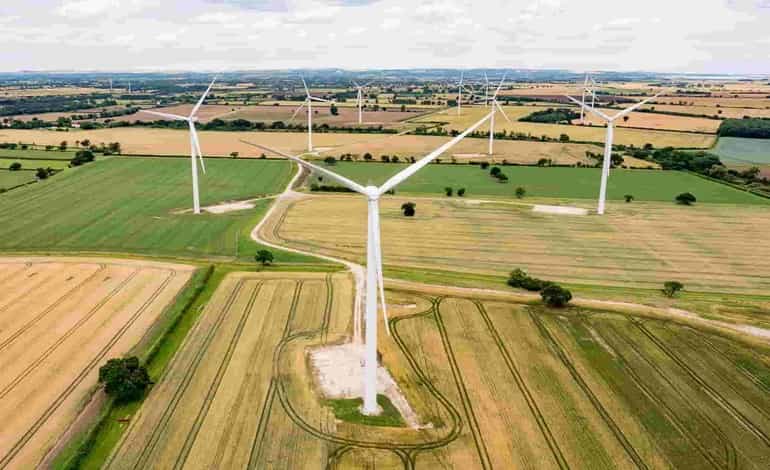
Horizontal axis wind turbines (HAWTs) are the most common type of wind turbine used today. These turbines have a horizontal axis, with the blades rotating around a central hub. The primary advantages of HAWTs are as follows:
Advantages:
1. Efficiency: HAWTs are more efficient than other types of wind turbines because they can generate more electricity from the same amount of wind.
2. Easy Maintenance: HAWTs are easier to maintain than other types of wind turbines because their components are easily accessible.
3. Larger Blades: HAWTs can have much larger blades than other types of wind turbines, which means they can generate more electricity.
However, HAWTs also have some disadvantages:
Disadvantages:
1. Noise: HAWTs can be noisy, which can be a problem for people living near wind farms.
2. Large Size: HAWTs are usually quite large, which means they require a lot of space to operate. This can be a problem in densely populated areas.
3. Bird and Bat Mortality: HAWTs can pose a risk to birds and bats, which can collide with the spinning blades.
Vertical Axis Wind Turbines

Vertical axis wind turbines (VAWTs) are a less common type of wind turbine that has its axis perpendicular to the ground. The primary advantages of VAWTs are as follows:
Advantages:
1. Size: VAWTs are usually smaller than HAWTs, which means they can be installed in smaller spaces.
2. Less Noise: VAWTs are typically quieter than HAWTs, making them a better option for areas where noise is a concern.
3. Safer for Birds: VAWTs are less likely to harm birds and bats because their blades move at a slower speed.
However, VAWTs also have some disadvantages:
Disadvantages:
1. Less Efficient: VAWTs are less efficient than HAWTs because they cannot generate as much electricity from the same amount of wind.
2. Limited Availability: VAWTs are less common than HAWTs, which means there may be fewer options available for installation and maintenance.
3. Maintenance Challenges: VAWTs have more complex components, making maintenance more challenging.
Other Types of Wind Turbines
In addition to HAWTs and VAWTs, there are other types of wind turbines available, such as darrieus and savonius turbines. These turbines have unique advantages and disadvantages that must be considered when deciding which type of turbine to use.
Advantages:
1. Darrieus turbines are quiet, making them a good option for areas where noise is a concern.
2. Savonius turbines are efficient at low wind speeds, making them a good option for areas with low wind speeds.
Disadvantages:
1. Darrieus turbines are less efficient than HAWTs because they cannot generate as much electricity from the same amount of wind.
2. Savonius turbines are less efficient than HAWTs because they have a lower rotational speed.
Both HAWTs and VAWTs have their own unique advantages and disadvantages. HAWTs are generally more efficient and scalable, while VAWTs are better suited for certain residential applications due to their low noise pollution and wind direction independence. Ultimately, the choice of turbine design will depend on the specific needs and requirements of the wind energy project.