Choosing a wind turbine installer isn’t as simple as finding a team that can pour a foundation and bolt a mast and some turbines together. You’re ultimately hiring a team to steer you through planning, grid rules, construction risk, and years of operations. Here’s a clear, UK-specific way to differentiate between safe, genuinely competent installation teams and opportunistic salespeople.
Start with credentials
For domestic and small commercial projects, look for MCS certification for both the installer and the turbine model. You’ll need MCS paperwork for most Smart Export Guarantee (SEG) tariffs and many finance/insurance requirements. For consumer protection, you might also want to check for membership of RECC or HIES (deposit protection, ADR, clear contracts).
On the electrical side, look for contractors that use electricians who are accredited with NICEIC or NAPIT and familiar with G98/G99 grid-connection requirements (G98 for microgenerators up to 16 A per phase; G99 above that). If the job involves higher-voltage interfaces, ask who holds HV authorisations and who signs the protection settings.
For larger onshore wind turbine projects, the bar is obviously a lot higher: look for GWO (Global Wind Organisation) safety training, LOLER compliance for lifting operations, and evidence that they carry out their work in line with CDM 2015 duties (Principal Designer/Principal Contractor, RAMS, competence checks).
Planning and environmental know-how
A capable installer won’t guess where you should put your turbines; they’ll bring a planning strategy that matches your site and local wind turbine policies. Ask how they handle noise (ETSU-R-97 for larger schemes), shadow flicker modelling, ecology and heritage constraints, aviation safeguarding, and visual impact.
They should know when Permitted Development clearly doesn’t apply (most turbines still need full permission), what local authorities typically accept, and how to run a pre-app conversation that saves time later. Get them to show a recent approval they secured, not just a generic, one paragraph plan of how they might go about doing so.
Grid connection
Grid connection is the longest thing to take care of in most cases (often taking multiple years), and it’s also where good projects stall.
A strong domestic installer will complete the DNO application (G98/G99/G100 export limiting if needed), liaise with the network planner, and cost any reinforcement or protection upgrades up front.
For rural, much bigger three-phase sites, ask how they’ll handle voltage rise, fault-ride-through, and witness testing. If they’re overly casual about these kinds of details, and you want to have some deeper level of insight into how the project will actually operate, then you may need to seek a partner that’s able to communicate these construction nuances in a better way.
Case studies
For evidence of the installer’s proficiency, insist on two or three recent case studies that look like your project: the same turbine class, similar terrain and wind, and a comparable grid set-up. Each example should show: baseline wind assessment, planning conditions, foundation design, as-built photos, commissioning certificates, first-year energy, availability %, and how they fixed any problems that almost inevitably popped up.
Civil and electrical competence
Foundations cause more projects to fail than turbine blades do. Ask who designs the foundation (in-house engineer or external), what geotechnical information they require, and how they validate bearing capacity and overturning.
On electricals, ask about cable sizing, earthing, surge protection, and protection relays. For farms and estates, check they’ll coordinate trenching, ducts, crossings and reinstatement so you’re not left with a patchwork field that is practically untillable.
Health, safety and lifting
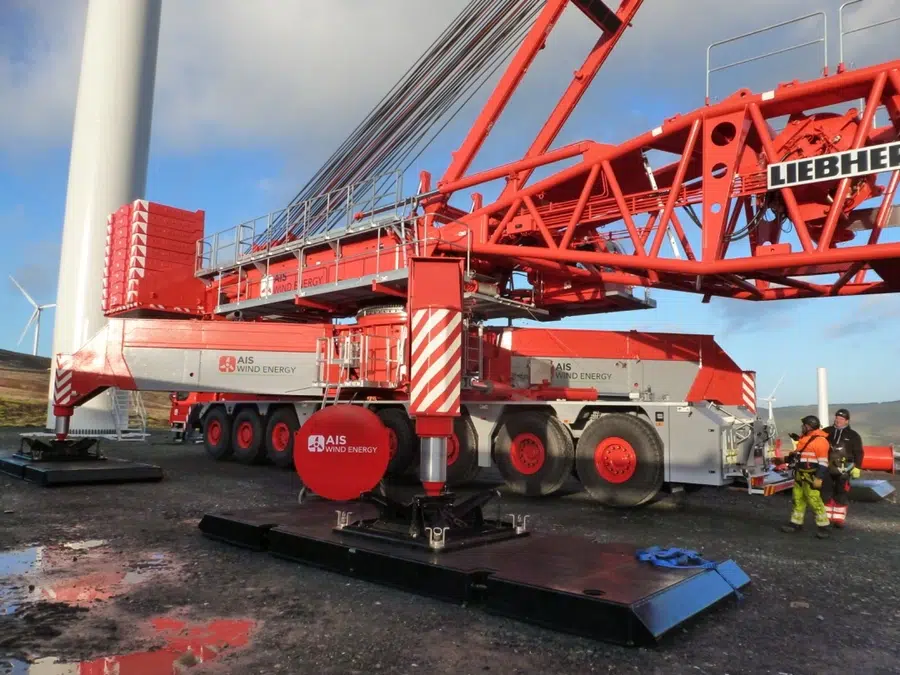
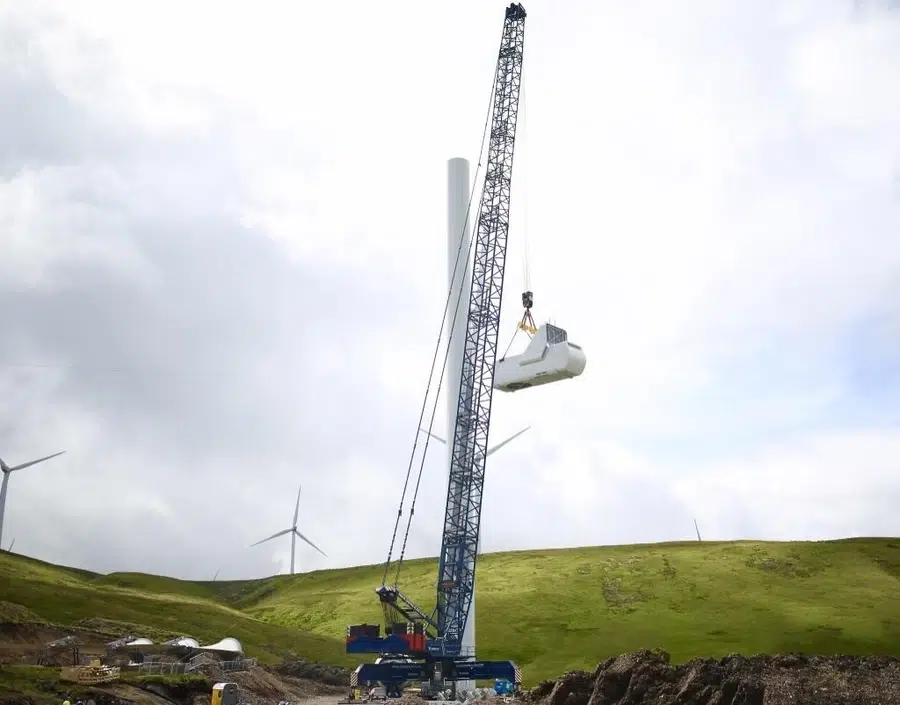
Look for a named Appointed Person for any crane or hydraulic-gantry work, with a lift plan, exclusion zones and matting calculations. RAMS should be specific to your site (e.g. access tracks, buried services, overheads, coastal winds) and include weather limits.
Contracts and warranties
Read the small print in your contract. You will likely want a fixed-scope or turnkey contract (design, civil, electrical, install, and commission), milestone payments tied to deliverables, liquidated damages or at least defined remedies for missed dates, and clarity on how various issues will be dealt with.
On the turbine, look for a parts and labour warranty, a blade/gearbox/excitation coverage list, and a clear availability guarantee (e.g., 95-97%) with exclusions and how it’s measured. Avoid vague “performance guarantees” with no metered baseline above which you can claim.
Operations and maintenance from day one
A good installer will show you an operations and maintenance plan with service intervals, consumables, oil changes, torque schedules, remote monitoring and response times. Ask where spares are stored (for example, are they UK stock or do they have a six-week ocean lead time), who gets SCADA access, and how faults trigger callouts. O&M pricing should be reasonable: a cheap headline that ignores travel, cranes and consumables will bite later.
Finance, tariffs and insurance
If you plan to export, confirm the installer will deliver the MCS certificate and commissioning data that SEG suppliers need. For commercial sites, ask about PPAs versus SEG, and whether export limiting (G100) makes the grid viable without reinforcement.
On insurance, check the installer’s public liability, product liability and (for design responsibility) professional indemnity; your own cover should include construction all-risks during the build and an operational policy that recognises wind generation.
Decommissioning and upgrades
Responsible installers will also be able to plan for what will come over the following decades: tower lowering, foundation break-out or top-down removal, recycling routes for blades and oils, and reinstatement. Ask how firmware updates, pitch/yaw upgrades or new inverters are handled and costed after year five.
The right UK wind installer will need to be experienced in the nuances of planning, grid integration, safe construction and reliable O&M. If they can show real projects, real numbers and real reviews based on completed services – and put it all in a contract you understand – you’ve likely found your partner for your upcoming renewable energy endeavour. It’s worth taking your time to find the right partner, as it’s a serious investment and potentially prolonged journey that you’ll be embarking on together.