The UK has the sixth largest capacity of wind power generation in the world and by the end of 2023, will have 11,000 wind turbines in operation.
Billed as the best location in Europe for wind energy, UK operators are working hard to meet growing demand for this sustainable and renewable energy source, and to build reliability and security into their operations.
It’s no small task to keep these complex feats of engineering in operation and the most common factors causing wind turbine downtime are failures of blades, gearboxes, generators and bearings.
As the price of unscheduled downtime costs the sector £1m per megawatt and one wind turbine out of action for one day costs in excess of £5,000 – it’s important for operators to not only have robust preventive maintenance programmes in place, but also to ensure the support of trusted repair partners and OEM manufacturers. This is why professional repair services delivered by highly expert teams are so important to the sector.
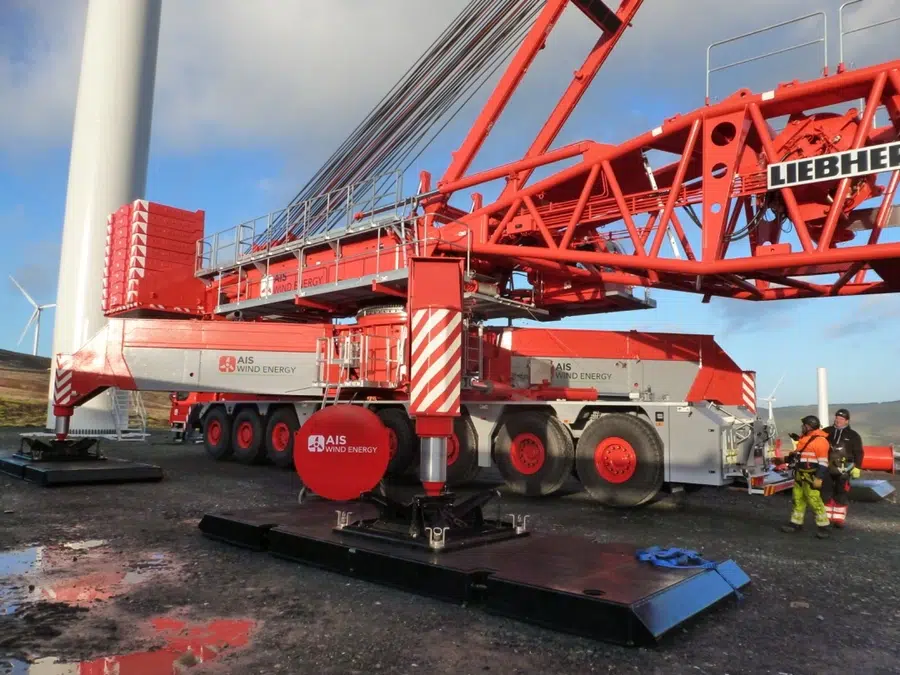
At AIS Wind Energy, we offer a complete range of services to help wind turbine operators increase the longevity of turbines and ensure the safe and efficient preventative maintenance of their assets. Afterall, maintenance costs a fraction of a day’s unplanned downtime.
We can plan and schedule all normal and routine maintenance of key wind turbine components including tower sections, coupling between gear box and generator, blades, gearbox, blade bearings, generators and main ring bearings.
Here, we share four ways the AIS Wind Energy team can build greater reliability and longevity into your wind turbine operations:
1. Wind Turbine Inspection
Whether regular inspections are required during the turbine build, as part of a warranty claim or to carry out preventative maintenance, tasks such as lubricating and cleaning have one overarching purpose – to improve the longevity of the turbine and its major components in order to keep turning.
Inspections two to three times per year provide the opportunity to carry out important turbine health checks, gather insights, classify damage and other priorities, assess suitability for retrofit upgrades and devise an appropriate preventative maintenance plan.
2. Wind Turbine Blade Repairs
With blades typically more than 52 metres long and weighing more than 12 tonnes, repairs can be difficult and cumbersome to undertake.
Whether it’s preventative work or repairs that are required due to the impact of birds or lightening, damage incurred as a result of extreme weather or corrosion and erosion from general wear and tear – blades need to be kept in optimal condition. Without blades, there is no power.
3. Wind Turbine Generator and Gearbox Repairs
Pre-emptive maintenance and repairs to gear boxes are a crucial part of keeping turbines operational and working optimally. As a business critical component, and one that can easily command a six figure price tag if repairs are no longer covered by warranty, operators need to focus on avoiding premature gearbox failure. A combination of routine and schedule maintenance as well as regular oil changes and bearing maintenance are the key to avoiding costly downtime.
4. Wind turbine oil changes
Regular oil changes help to prevent more costly problems and determine the long term reliability and operation of the gear box. However, carrying out these checks is not without its challenges due to the nature of working at extreme heights and often in remote locations.
Planning ahead
At the end of 2022, the National Grid reported that wind power had generated more than 20GW of electricity for the first time, which was the equivalent to 70% of all electricity generated on that day.
As this appetite for green energy increases further and the UK pushes to achieve its wider sustainability targets, wind turbine operators need to be sure they can meet this demand reliably and optimally.
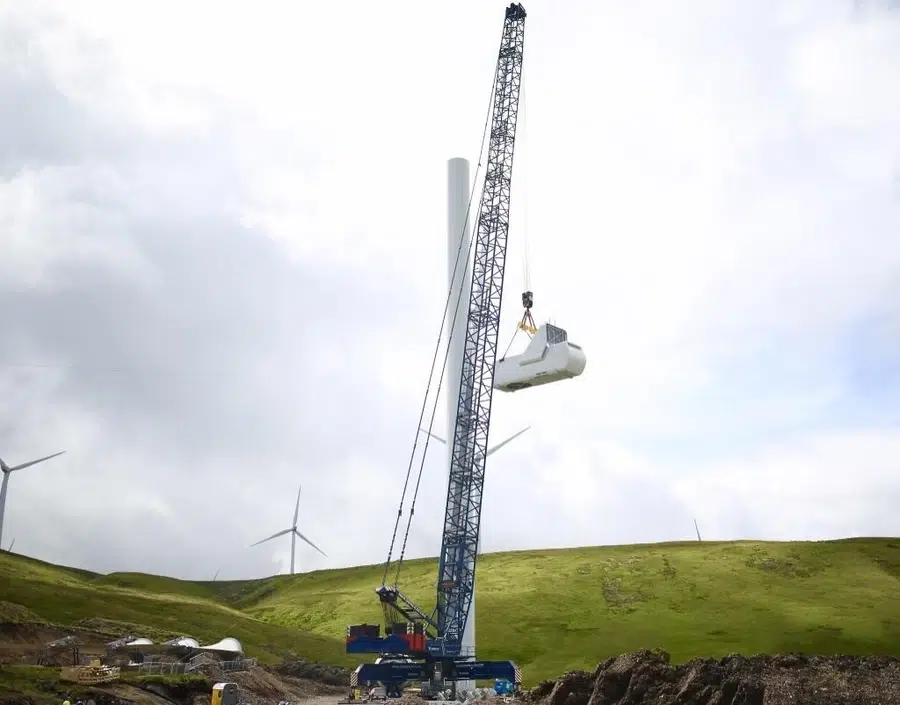
With the skills of our team, a specialist fleet of lifting equipment, vast and critical safety know-how and access to the wider resources and expertise within the group, we are giving wind turbine operators the longevity, security and reliability they need to keep the turbines turning.