With hundreds of operational onshore wind farms in Europe – it’s not surprising that wind power is setting new records for electricity generation. They’ve rapidly emerged as one of the most effective and popular sources of clean energy across the continent, and we’re not seeing that trend slow down any time soon.
Keeping these wind turbines turning is vital to ensure the efficient production of power for millions of households. However, the harsh operating conditions of wind turbines means they are subject to various stresses that can impact system reliability and lead to component failure. Keeping these structures operating at their best isn’t something that just happens automatically, and the right planning can take a bit of effort.
Extended wind turbine downtime poses financial and reputational risks for onshore wind farm operators. It can damage competitiveness if repairs aren’t carried out swiftly. As new wind farm capacity comes online, other facilities that have existed for longer continue to age and, potentially, degrade. Ensuring every turbine is fit for purpose means anticipating the biggest operational risks and fixing them in plenty of time.
The AIS Wind Energy team, through its decades of working with clients in the onshore wind farm sector, has developed a keen understanding of the most common onshore wind turbine component failures and how to build efficiency and reliability into operations. Repairing or replacing these components proactively can have an immense positive impact on your wind farm’s overall productivity, and it’s something that we leverage our decades of expertise to help you achieve.
Here we share three of the most frequent wind turbine component failures and how to address them:
Blade damage
Wind turbine blades are subject to various potentially damaging factors, from exposure to rain, lightning strikes and bird impact to erosion, debris contamination and ice formation. Due to the immense forces and stresses that the blades are under at all times, even a seemingly insignificant fracture can rapidly grow into something a lot more problematic, if it isn’t dealt with straight away.
That’s why blade damage is one of the most common issues we help clients to address. Knowing the major risks enables us to perform the right preventative maintenance tasks so that damage such as failing joints or cracking blades can be fixed before they impact efficiency or, in a worst-case scenario, halt operation altogether.
Gearbox problems
The highest percentage of wind turbine gearbox failures is caused by the bearings, with gears identified as the second leading cause of failures. Lubrication and filtration systems can also cause issues .
As gearboxes are costly – they account for around 13% of the overall cost of a turbine – it’s essential to ensure that they are installed correctly and well-maintained. Sourcing a proficient engineering specialist when gearbox problems arise is invaluable, but it’s much more prudent to invest in preventative maintenance to prolong the component’s life. When component replacement is required, it has to be done without delay to minimise downtime.
Generator strife
A failed generator can be catastrophic to wind farm operations. No generator means no power produced, which can result in significant lost revenue. Due to this simple fact, it’s relatively easy to justify immediate investment in generator maintenance, as you can see straight away how much even a week of forced down time would end up costing you.
However generators are complex, and it can be difficult to pinpoint the cause of a generator failure. A broad array of dynamics could be at play including improper installation, voltage disruptions, problems with the cooling system and bearings failures. Again, the faster the issue can be identified, the faster power can be restored, and downtime reduced.
Replacing wind turbine components can improve efficiency, address wear and tear issues and prolong the lifespan of the wind turbine asset. But this is highly specialised work and requires an expert approach.
Working out exactly when to do repairs or carry out component replacements takes a lot of skill in and of itself, due to the impact it can have on reducing downtime and eliminating unnecessary repair costs before they’re actually necessary. It’s something that only experience can teach, which we thankfully have in abundance.
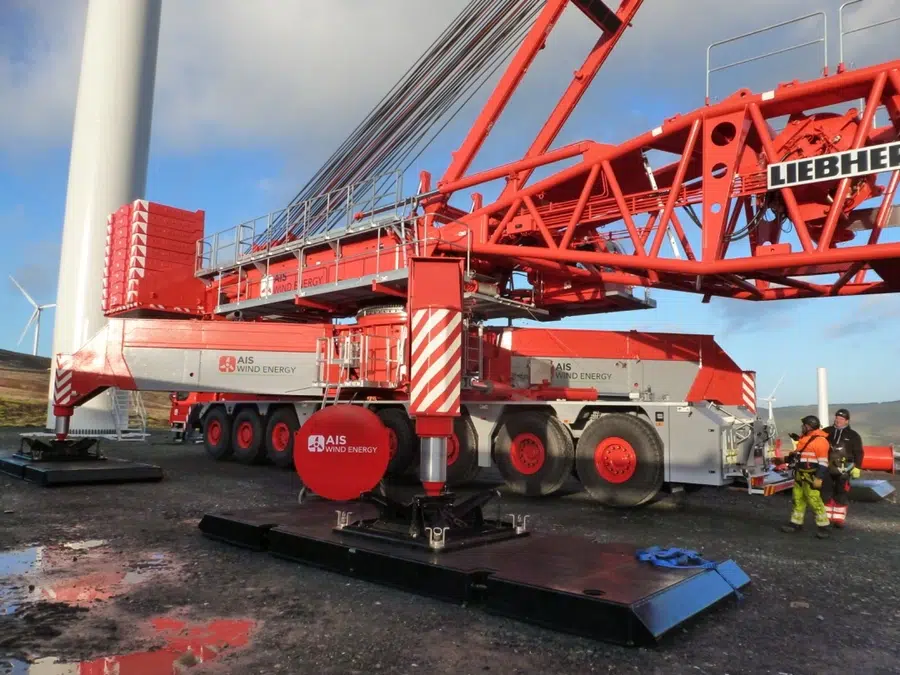
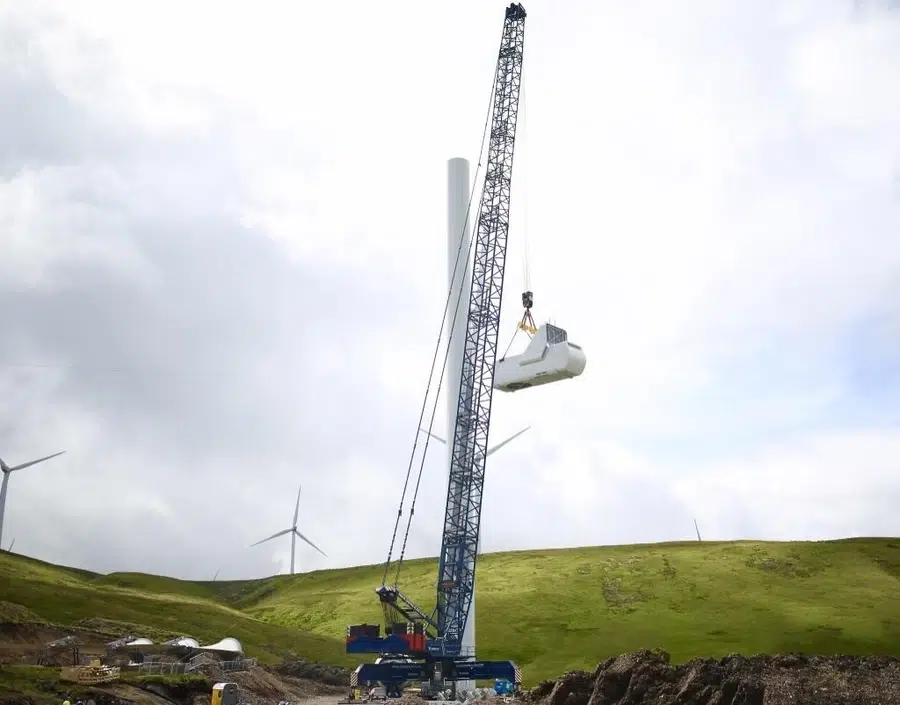
At AIS Wind Energy, our experienced teams are trained and certified to allow them to isolate the wind turbine safely and disconnect the electrics, enabling the redundant wind turbine component to be removed. We can then lift the new wind turbine component into position and make all the required connections so that the wind turbine can become operational again, as quickly as possible.
For wind farm operators keen to minimise the operational impact of component failure, it pays to invest in a thorough preventive maintenance programme. This is key to identifying issues before they lead to failure, minimising the need for component replacements and keeping turbines efficient, productive and operational.
For every wind turbine challenge you are presented with, we provide a solution. To see how the team at AIS Wind Energy could support your onshore wind farm, contact us.